The Elephant Cover
Opens a drink can without a fingernail, then covers the hole.
The problem
A pull-tab sits flat against the top of the can. To open one you have to get a fingernail under a thin metal loop and pull hard, which is how nails break. And once the can is open, the hole stays open — a wasp at a barbecue, sand at the beach, whatever is drifting around the room. Covers for cans do exist, but they live in a drawer or a pocket, so they are never in your hand at the moment the can is.
The insight
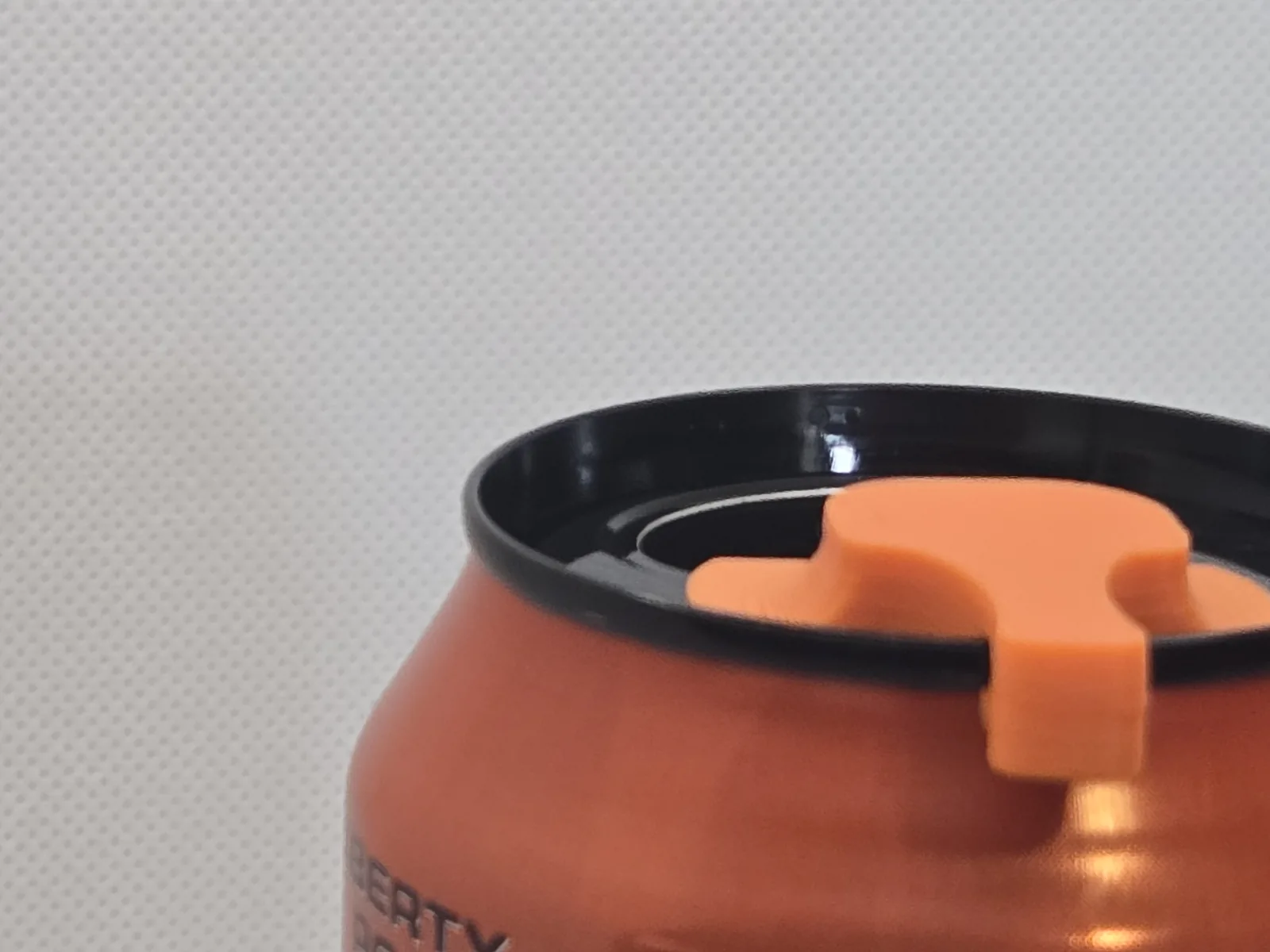
Stop adding a lid that has to be carried, and use the part that is already on every can. A slot in the body drops over the pull-tab and captures it. From that moment the cover cannot be set down and lost, because it is attached to the can — and the captured tab doubles as the axis the whole part turns on. One feature solves losing it and moving it.
How it works
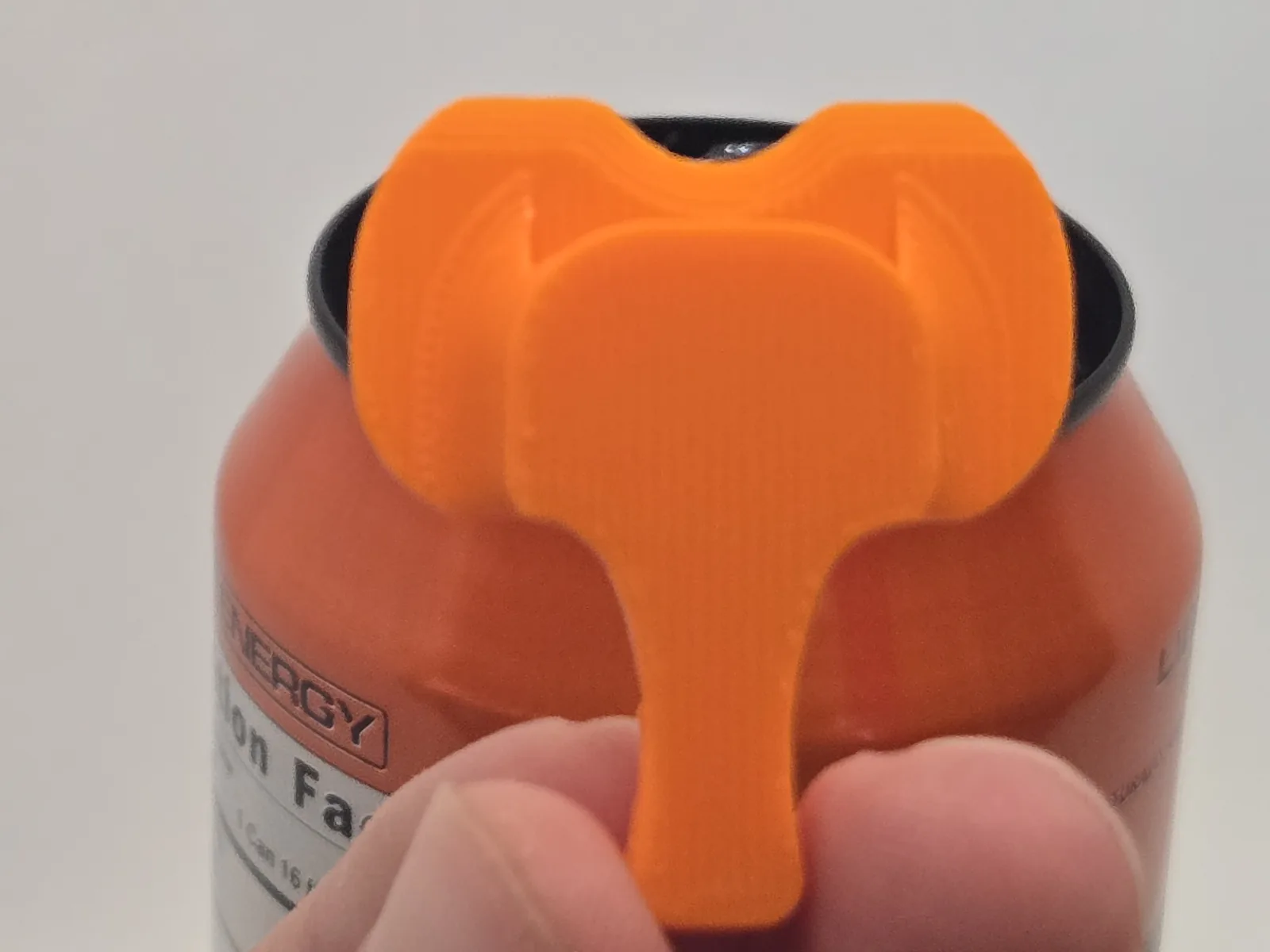
- Drop the slot in the body over the can's pull-tab. The tab is now captured, and the part turns on it like a dial.
- Lift. The body levers against the tab and cracks the can open, so nothing goes under the tab but the plastic.
- Press it down onto the can's rolled rim without spinning it. A notch in the trunk catches the rim and the part parks flat, clear of the opening.
- Drink.
- Spin it around the tab when you are done. The body swings over the hole and covers it.
Not a flip, not a slide, not a hinge. The trunk does not move relative to the body — the whole body turns. Three earlier descriptions of this mechanism were wrong and shipped before being corrected in July 2026; this one is the version Auston confirmed.
Materials and process
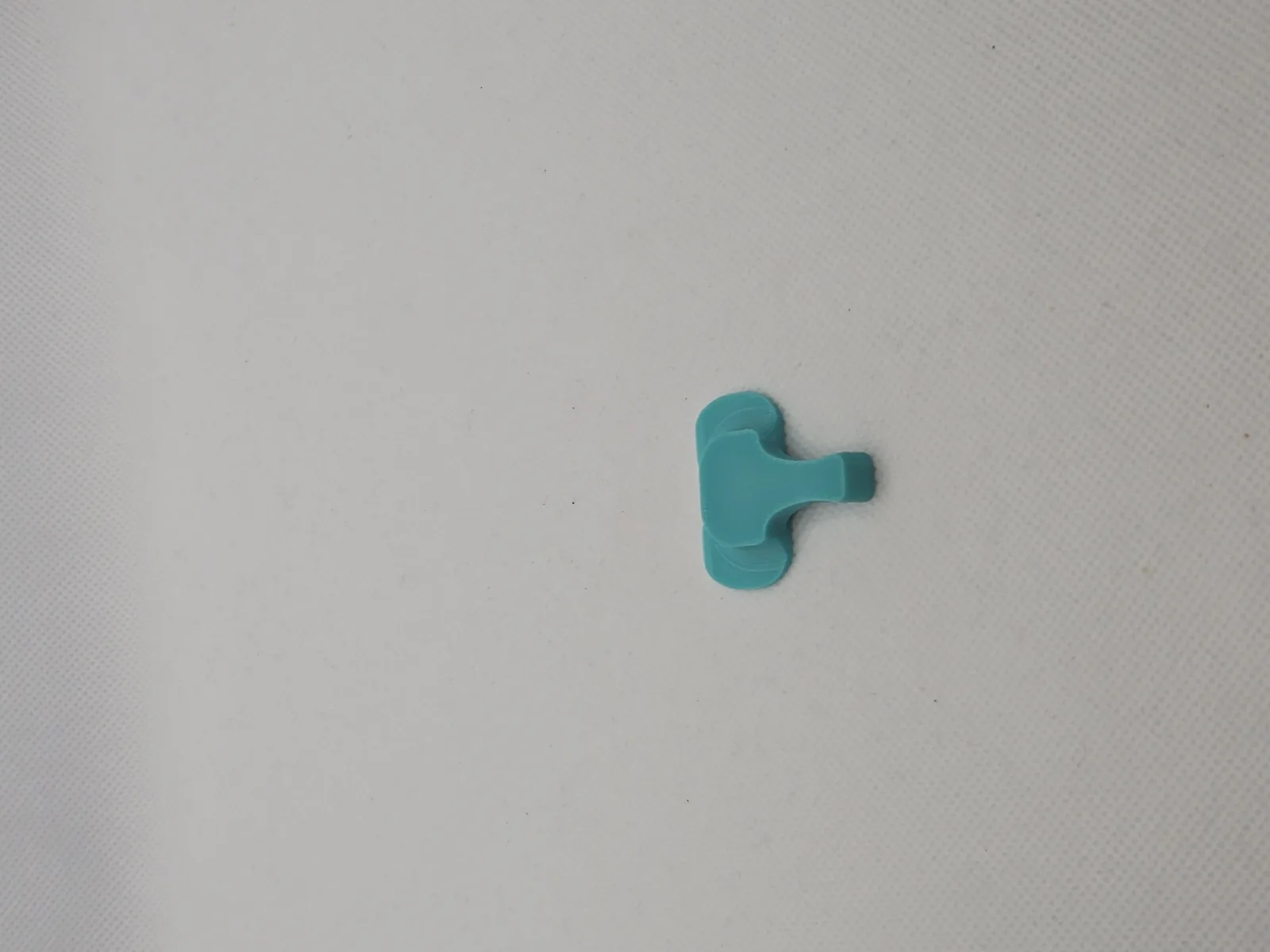
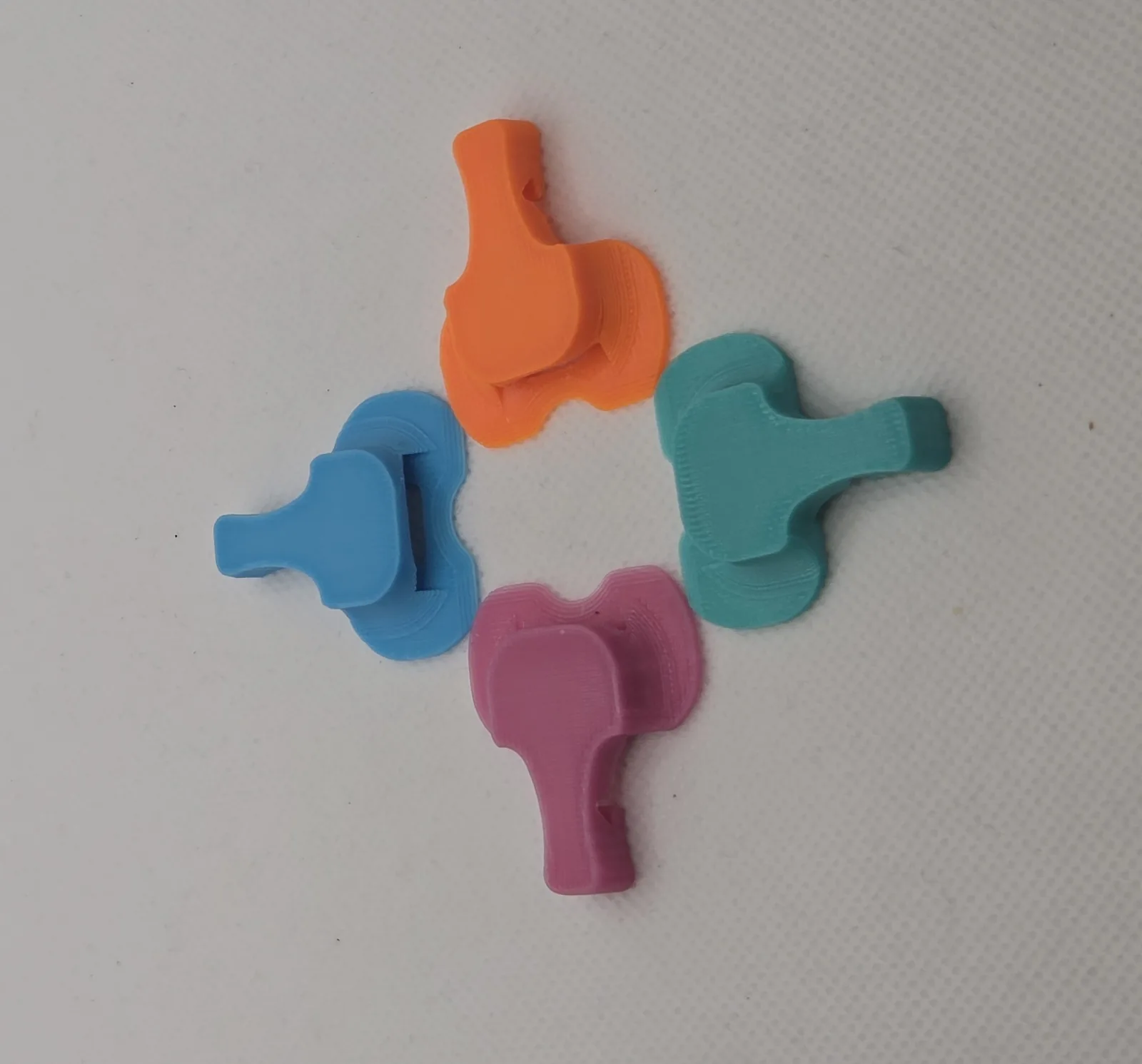
Printed in PETG on an FDM machine, made to order in any colour. PETG replaced PLA in July 2026: it holds around 75–80 °C, so it survives a hot car where PLA sags at 55, and it takes the repeated flex at the rim notch that cracks PLA at snap features. Neither material is food-safe, and this part is not sold as one.
What exists now
Live at elephantcover.com, one SKU, made to order. One real sale so far — in person, 16 August 2026, to a buyer named Cynthia. The store cannot yet take a card: the payment key is missing from its worker, so the shopfront is open but the till is not. That is the next thing to fix, and it is the honest reason this object has one sale and not ten.
Next: Wire up checkout. Then the rest of the animal line — the elephant is meant to be the first of several, not the only one.
Evidence of making